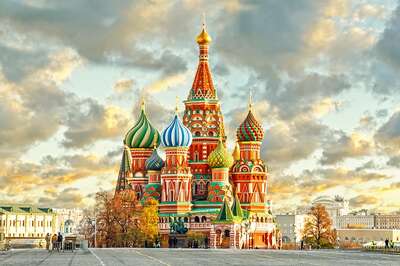
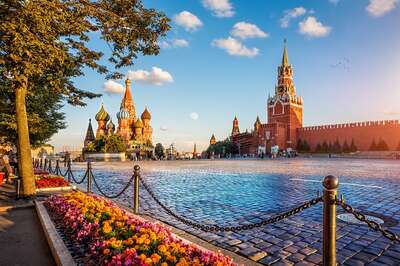
See all that Moscow has to offer by choosing one or more of our incredible Moscow day tours. Visit Red Square, St. Basil’s, the Kremlin or perhaps a vodka museum and the fantastic Moscow metro system, we have it all. Our expert, informative and fun guides will help you get to know Europe’s largest city. Please click on the day tour details to learn more or contact us for more information about our Moscow tours using the form at the side of the page. You can also schedule a call with one of our Russian travel specialists to learn more.
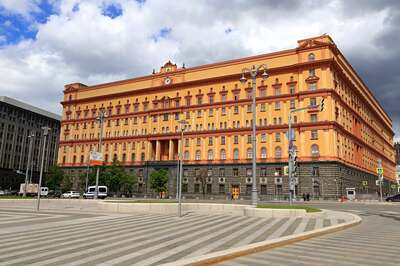
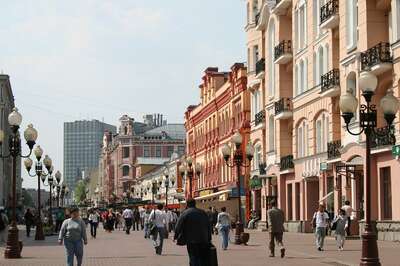
Head to the heart of Moscow with a professional guide on a 4-hour private walk through the city center. See Tverskaya and Old Arbat streets, Theatre Square with the world-famous Bolshoi Theatre, and the former KGB headquarters...
Panoramic City Tour. This Moscow tour is a great start to your trip and the best way to get acquainted with many of the city’s major highlights. Our professional guide will escort you on a route that includes Vorobyevi...
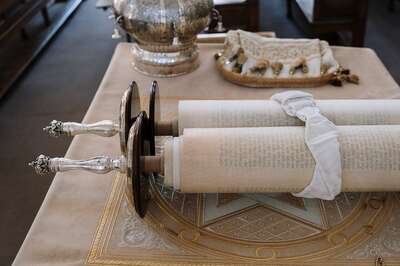
This tour offers a detailed look into the history and present-day life of the Jewish community of Moscow. On the tour, you will visit sites connected with the cultural and religious life of different Jewish families, as well...
The tour begins with a drive or walk down Tverskaya Street – a Soviet masterpiece. In the years of Soviet power, Tverskaya began to undergo a transformation: it was widened to two and a half times its original size,...
This is a very interesting and insightful tour. You will visit places connected with Stalin’s terror - a time of great repression and fear. You will be shown monuments to the victims of the repression. You will then...
You will be told of the street’s interesting history and view the street’s artisan culture. You will also have the opportunity to view and purchase souvenirs from the street’s many craftsmen....
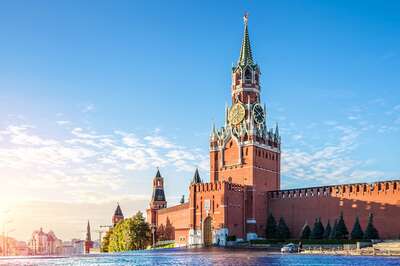
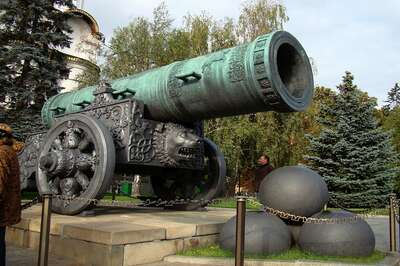
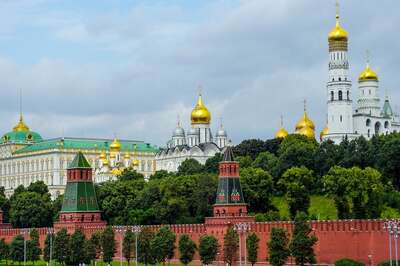
The Kremlin is truly a fascinating structure, at the same time it is an ancient tower, the city’s former military fortification, a palace, an armory, the sovereign treasury and the workplace of the Russian President....
The Kremlin is truly a fascinating structure, at the same time it is an ancient tower, the city’s former military fortification, a palace, an armory, the sovereign treasury and the workplace of the Russian President....
The Kremlin is truly a fascinating structure, at the same time it is an ancient tower, the city’s former military fortification, a palace, an armory, the sovereign treasury and the workplace of the Russian President....
The Kremlin is truly a fascinating structure, at the same time it is an ancient tower, the city’s former military fortification, a palace, an armory, the sovereign treasury and the workplace of the Russian President....
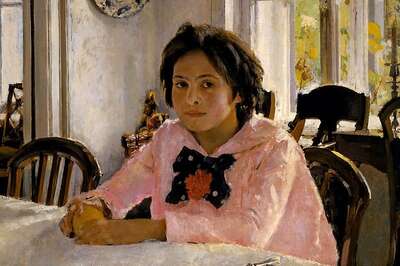
This world-famous gallery contains masterpieces of Russian art beginning in the 10th century up until today. You will view exquisite Russian icons and paintings from the 18th and 19th century including works by Rublyov, Karavak,...
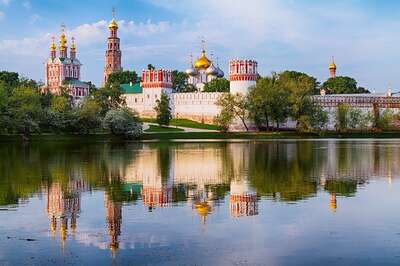
Tour of the Novodevichy Monastery. Founded in 1524 by Grand Prince VasiliIoanovich, the original convent was enclosed by fortified walls and contained 12 towers. The structure served as a convent for women of noble birth...
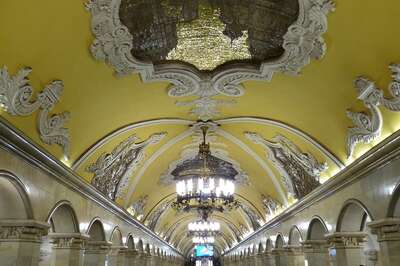
The Moscow Metro is one of the largest and most grandly built metro systems in the world. It was meant to be a showcase of the Soviet Union’s achievements for both the Russians themselves and for visitors from abroad....
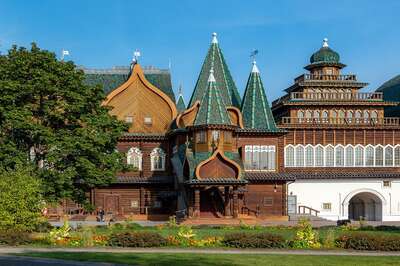
The history of Kolomenskoye stretches back for centuries. In 1380, Dmitri Donskoi’s army passed through Kolomenskoye on their way to the Kulikovo battlefield, and it was here that Donskoi celebrated his victory over...
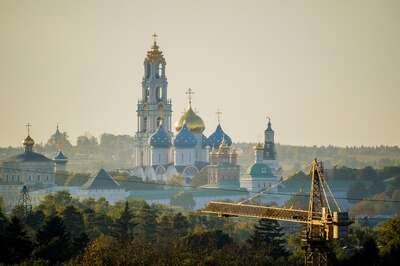
Considered by some to be the Russian Vatican, Sergiev Posad is the temporary residence of the Patriarch of the Russian Orthodox Church. The Trinity St. Sergius Monastery (Lavra) was built in the first half of the 1340s by...
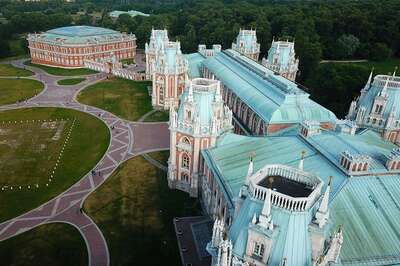
The Tsaritsyno Estate is located in the southern part of Moscow. The estate was constructed for Catherine the Great by the Russian architects Bazhenov and Kazakov in a romantic gothic style. The complex includes a landscape...
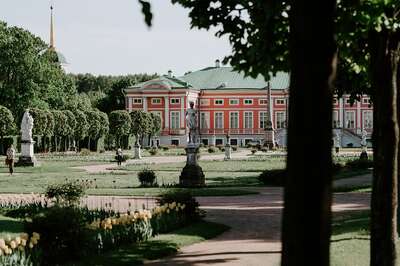
The Kuskovo Estate often called the Moscow Versailles due to its perfectly preserved French park, is an example of an 18th century, luxurious Moscow summer residence. Its history dates back to 1715, when the village of Kuskovo...
The Moscow Metro is one of the largest and most grandly built metro systems in the world. It was meant to be a showcase of the Soviet Union’s achievements for both the Russians themselves and for visitors from abroad....
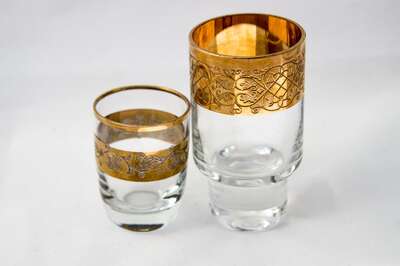
Vodka is an important component of Russian life, an element of national identity and everyday culture. We invite you to visit the Vodka Museum and feel the atmosphere of long-gone centuries. You will get to know the story...
Vodka is an important component of Russian life, an element of national identity and everyday culture. We invite you to visit the Vodka Museum and feel the atmosphere of long-gone centuries. You will get to know the story...
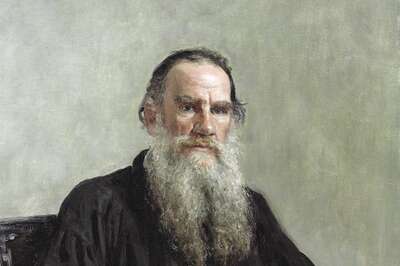
Take this opportunity to learn more about the Russian writer Lev Tolstoy. During the visit to the museum you will see part of a vast collection of exhibits connected to Tolstoy and his family including books and personal...
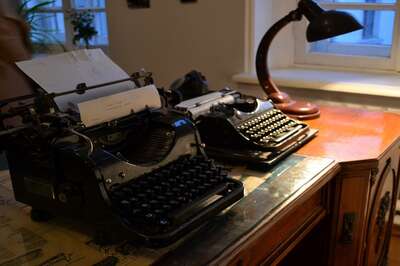
This apartment museum located close to Patriarch Ponds became the prototype of the "bad apartment" described in the novel "The Master and Margarita." Currently the museum's collection includes more than three thousand...
Express to Russia specializes in Moscow city excursions, an essential part of your Moscow travel itinerary. We offer a large variety of day excursions throughout Moscow and its suburbs. From Red Square and the Kremlin to a city tour of Moscow’s Old Arbat Street or the Moscow metro, an excursion specializing in Stalin and the KGB and much more. No travel to Moscow is complete without taking a few of our day tours that most meet your interest in Russia.
Our Moscow day excursions can be organized on foot or with transport. All of our excursions are led by an experienced guide, specializing in the subject matter of the tour. Excursions are privately run and can be booked for 1 traveler all the way up to large groups of travelers. We run our Moscow city tours in every season. This is because travel to Moscow is excellent in any season. In the summer take a stroll through Gorky Park or take a riverboat tour along the Moskva River. In the winter, see Moscow’s winter wonderland of ice and snow and then settle in for a cozy lunch or dinner with a hot bowl of borsht. In winter, spring and fall, you can beat the crowds at all of Moscow’s main attractions and museums. Regardless of when you come, Express to Russia will make sure that your trip is one of your best vacations ever.




Join us on Facebook
We invite you to become a fan of our company on Facebook and read Russian news and travel stories. To become a fan, click here.
Join our own Russian Travel, Culture and Literature Club on Facebook. The club was created to be a place for everyone with an interest in Russia to get to know each other and share experiences, stories, pictures and advice. To join our club, please follow this link.