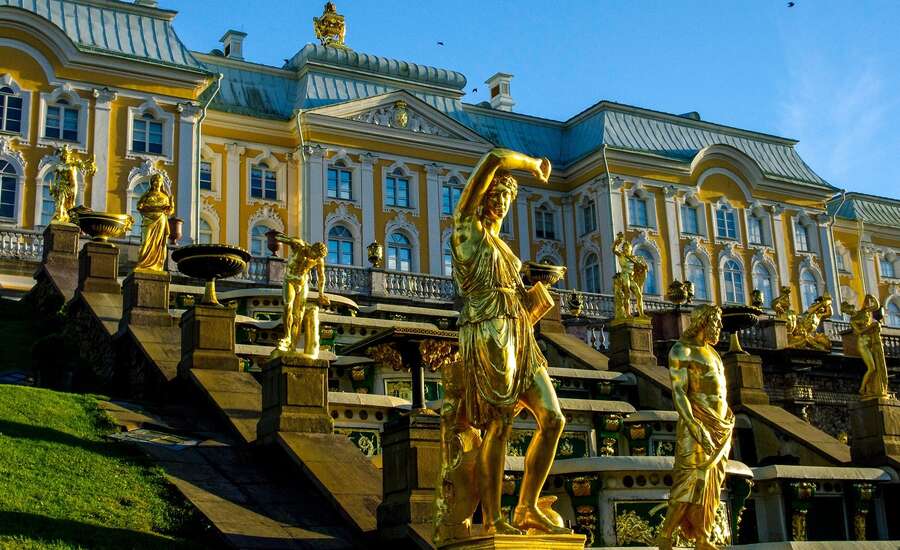
Peterhof is a jewel of Russian architecture and landscape design which perfectly encapsulated Peter the Great’s ideals of maritime glory and a ‘window onto Europe’. With palaces and parks rivaling those of European royalty and a seafront location laying claim to the Baltic Sea, Peterhof’s magnificent ensemble is one of St Petersburg’s most famous landmarks.
Read more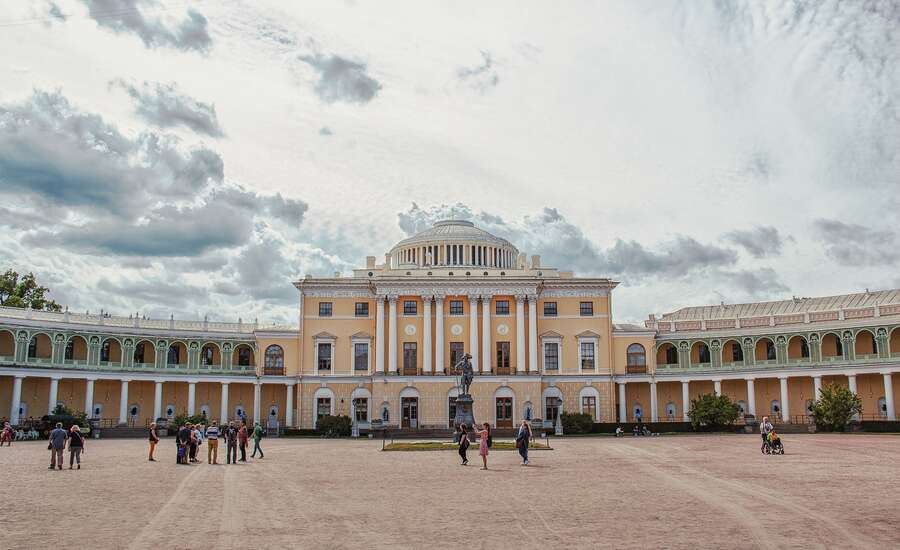
The imperial residence of Pavlovsk is nestled in thick forest in the suburbs of St Petersburg. Its beautiful Neoclassical palace and landscape gardens with lush riverbanks and winding paths are waiting to be explored, and visitors can enjoy festivals, concerts and outdoor sports. Popular among local people and tourists in all seasons, we highly recommend a visit to Pavlovsk!
Read more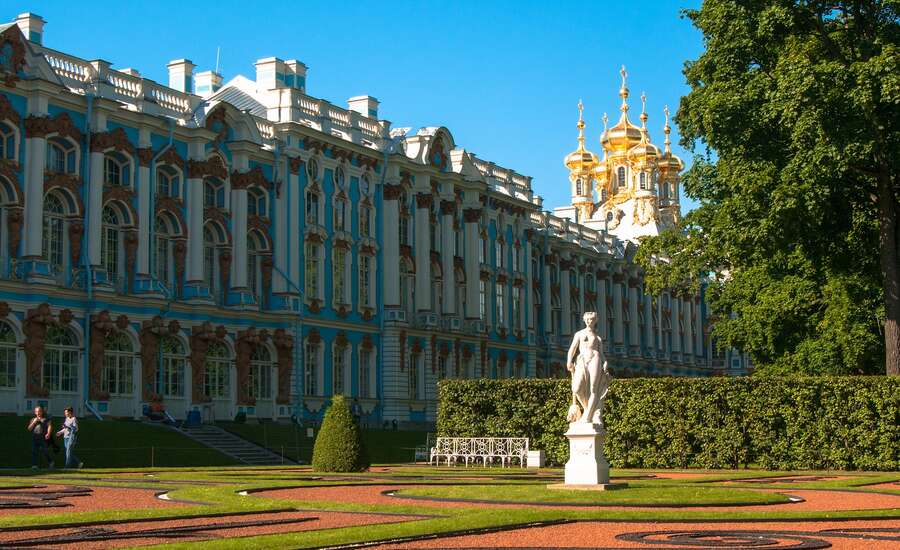
Russians know the town of Pushkin, not by postcards or tour excursions, but rather by the intimate poems of its namesake—Alexander Pushkin. Thanks to Alexander I, who founded an elite school (Russian: lyceum) close to his palace, Pushkin was trained in the art of verse. Along with the workbooks and dormitory of a young Pushkin, poignant traces of the school’s other famous students like Anna Akhmatova, Mihail Glinka and Vasily Zhukovsky can be seen in its grand lecture halls and dingy dormitories.
Read more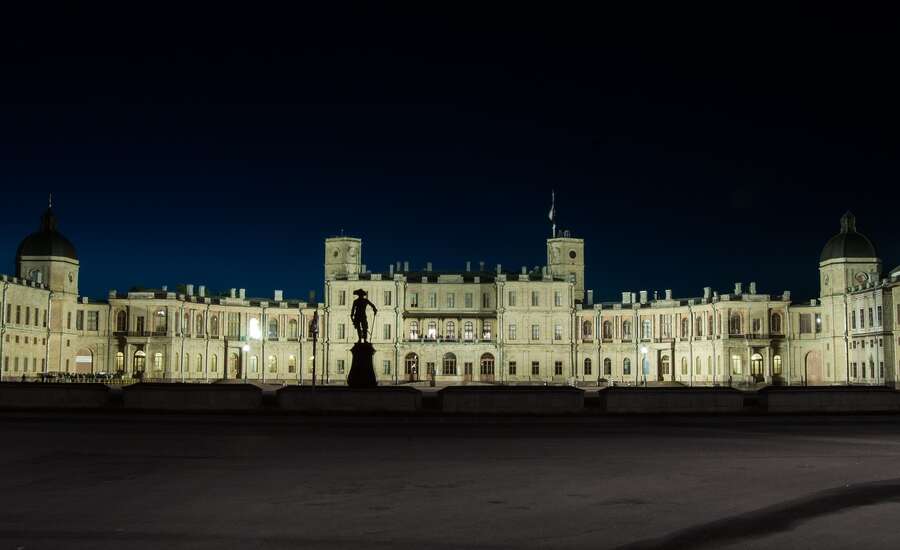
The area south of St Petersburg where Gatchina Palace and Park is located is much older than the city itself. At the turn of the 15th century, it was a small village named Hotchino, inhabited by people from Novgorod, which was later occupied by Livonia and Sweden during a series of 17th century wars. Gatchina eventually became a Russian settlement again during the Great Northern War against Sweden (during which Peter the Great also acquired the territory on which he would found St Petersburg).
Read more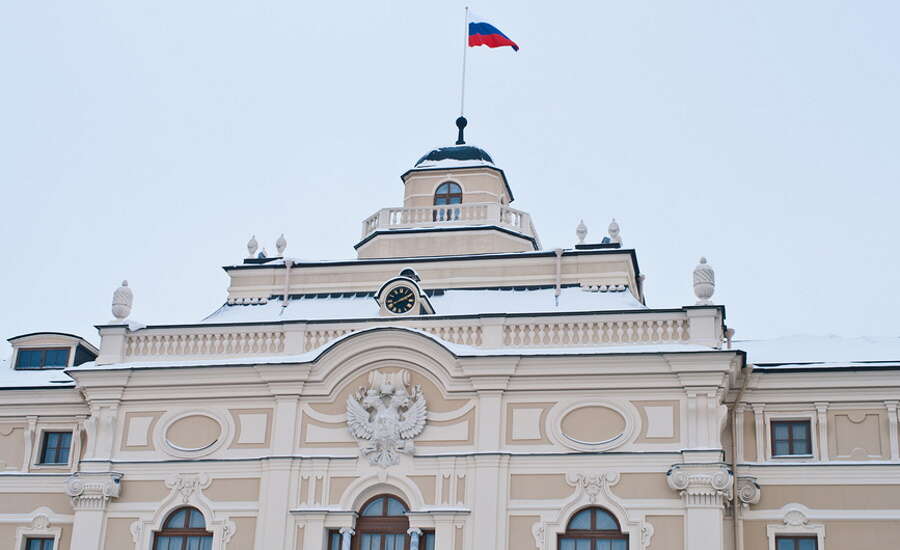
Strelna is another suburb of St. Petersburg, which is located about 6km east of the more popular Peterhof. Although Strelna isn’t as popular with the tourist groups, it is most definitely worth a visit to see the Presidential Palace, which is used to host official delegations for example the G8 summit and the G20 summit.
Read more




Join us on Facebook
We invite you to become a fan of our company on Facebook and read Russian news and travel stories. To become a fan, click here.
Join our own Russian Travel, Culture and Literature Club on Facebook. The club was created to be a place for everyone with an interest in Russia to get to know each other and share experiences, stories, pictures and advice. To join our club, please follow this link.